This post contains affiliate links. As an Amazon Associate we earn from qualifying purchases, at no extra cost to you. Read our disclosure.
Key takeaways
- Write five things per item: description with brand and model, serial number, when and where bought, value and a photo.
- Photograph first, write second. A video walk-through plus photos of labels is faster than typing from memory.
- About 135 minutes covers a one-bedroom apartment (our estimate), or do two rooms a day.
- Keep a copy off-site and update it once a year or when you move.
- Ask your insurer about limits on jewelry and electronics.
In this post10 sections
- Why a renter needs a home inventory list
- The five fields to write down for every item
- A room-by-room home inventory checklist
- The phone method: photograph first, write second
- Valuables, limits and what to ask your insurer
- Where to keep your inventory
- Use the same photos at move-in and move-out
- Supplies that make it easier
- Your next step
- FAQ
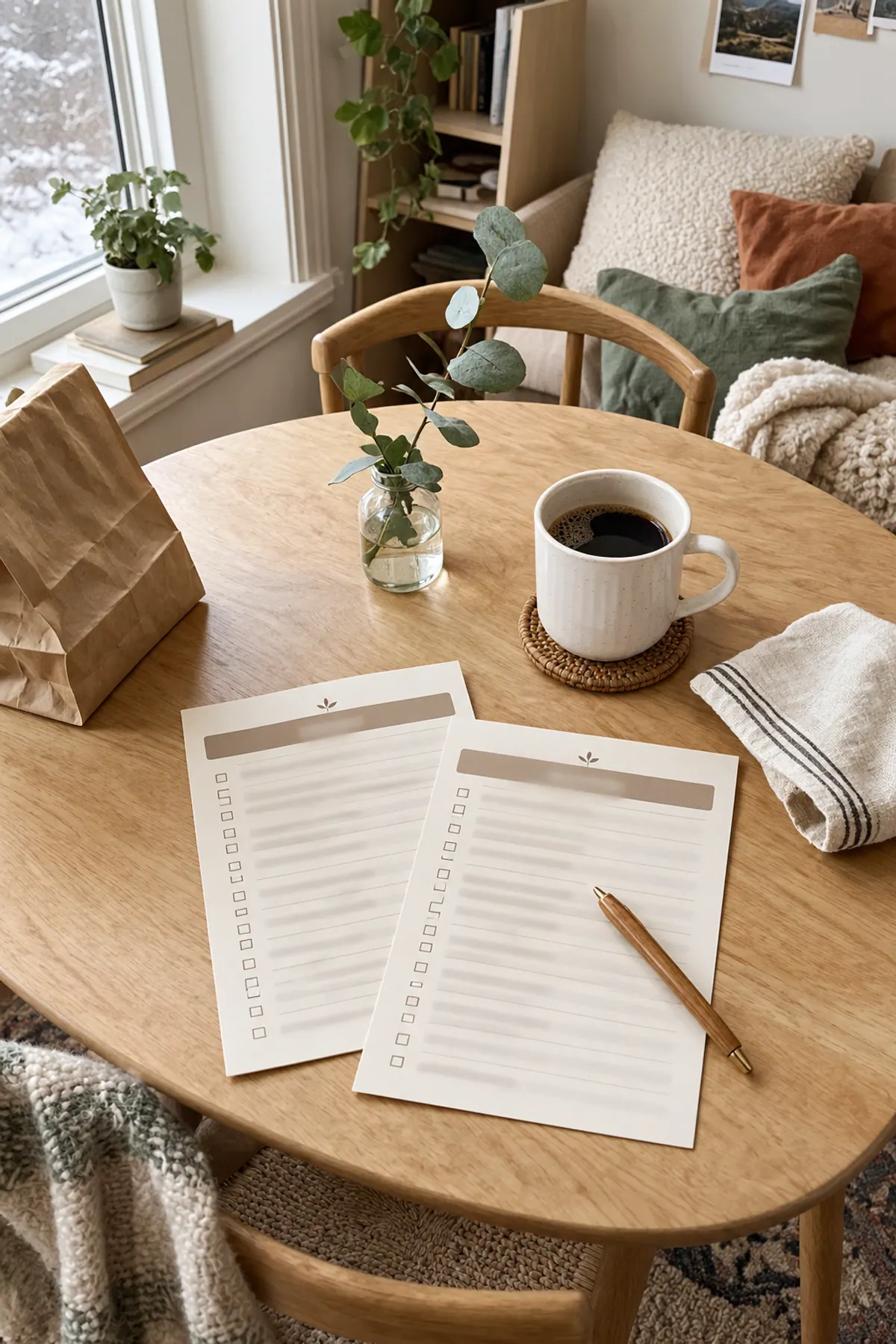
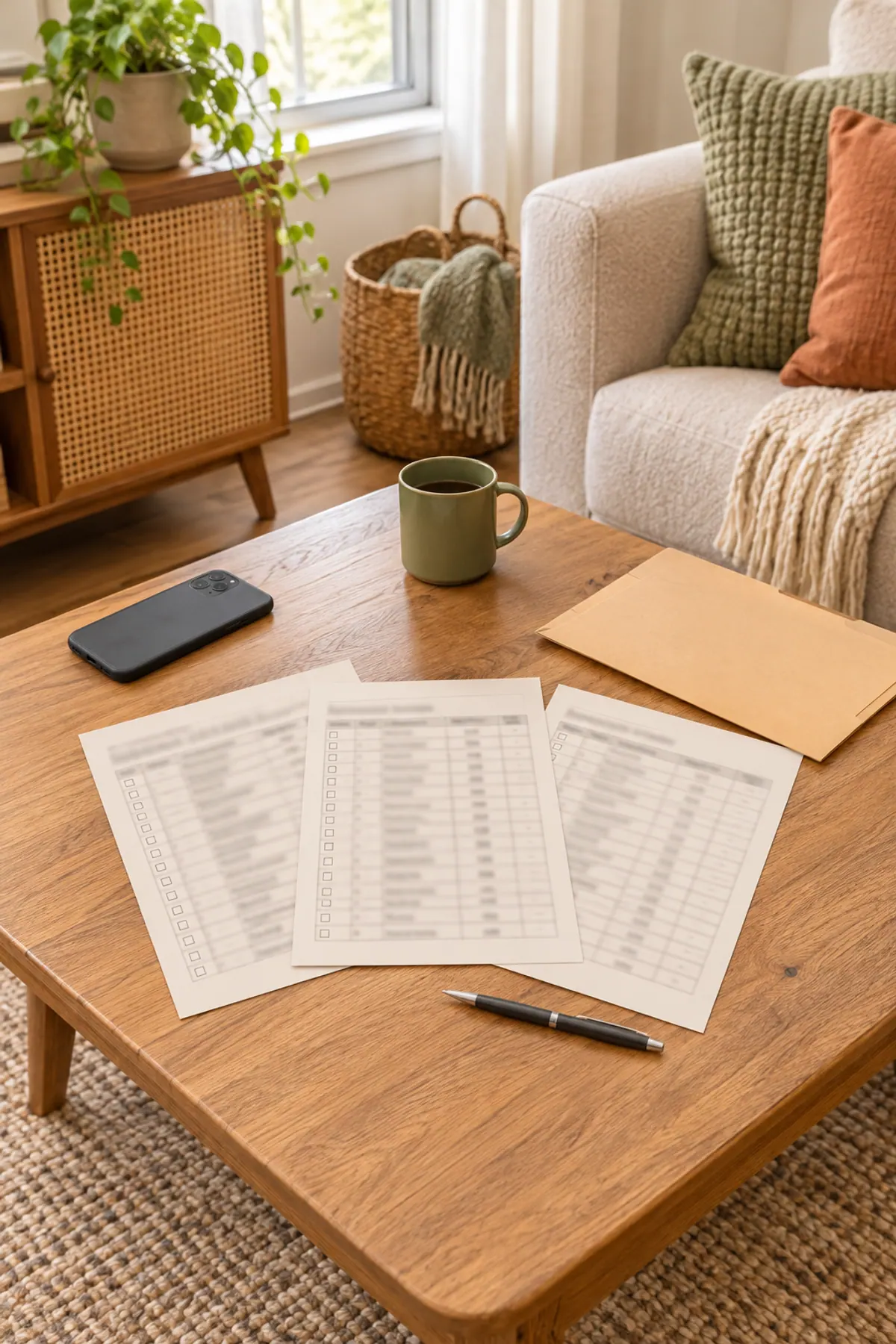
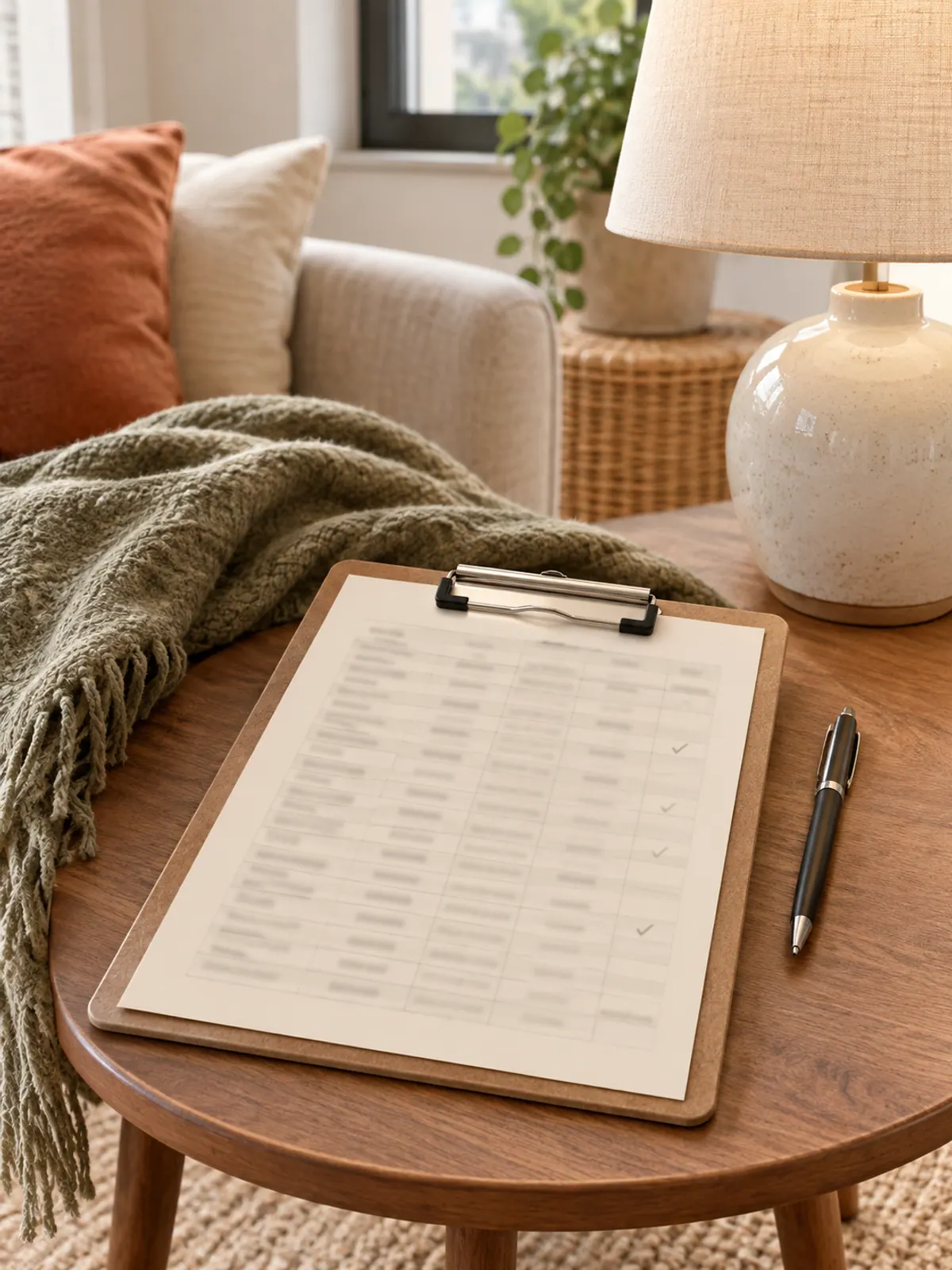
Get it free: enter your email in the box below and the download link for the home inventory list for renters (PDF, 3 pages) appears right away. Page 1 explains the five fields, page 2 is a blank room sheet to print once per room, and page 3 is a claim-ready page for valuables, copies and your policy details.
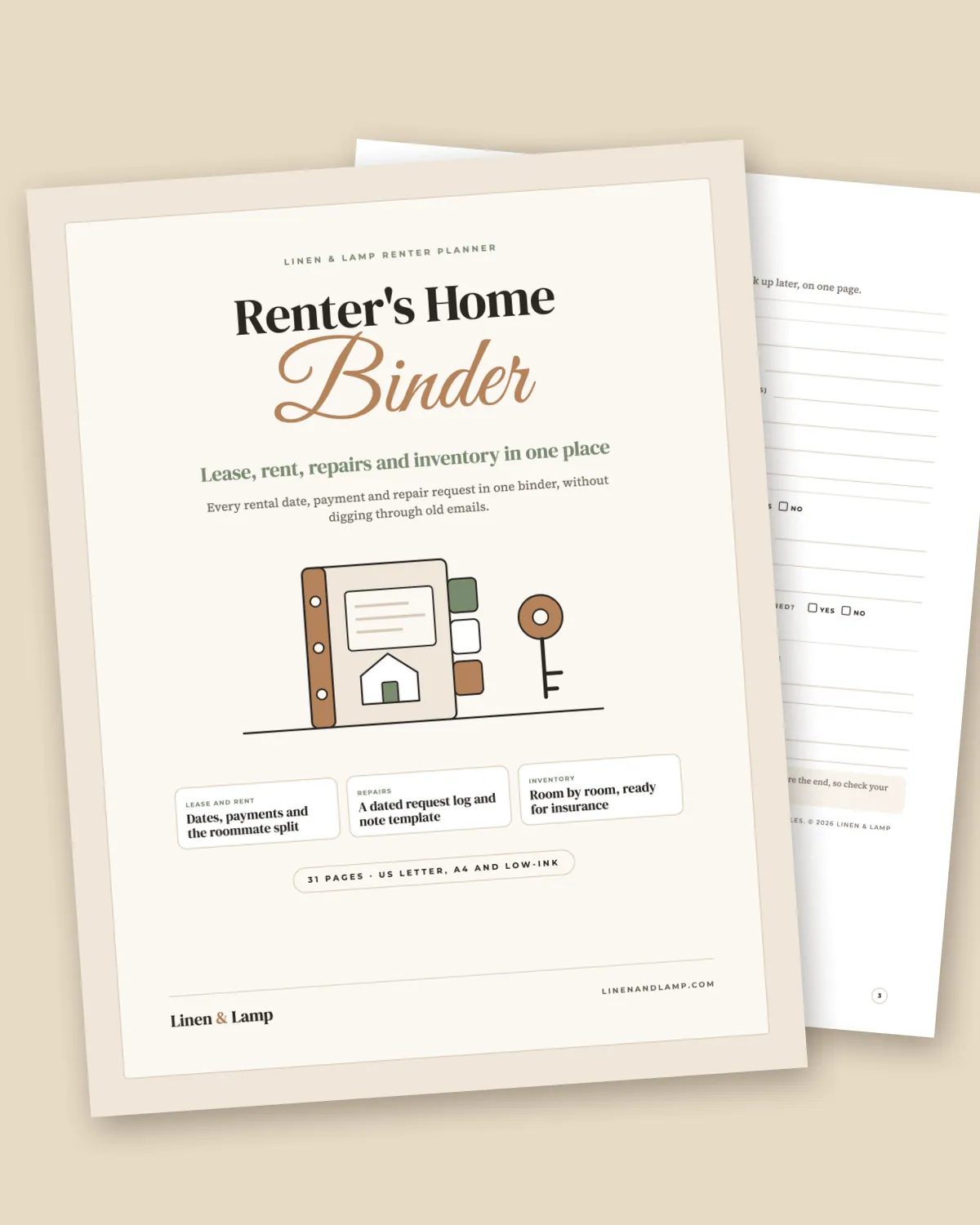
If you would rather keep the finished list with your lease, rent log and repair requests, the Renter's Home Binder ($10) has a room-by-room inventory for seven areas of the home plus a renters insurance summary and claim-ready checklist, so everything you would need after a loss sits in one printed binder.
Why a renter needs a home inventory list
Renters insurance covers what is inside your home, not the building. The National Association of Insurance Commissioners (NAIC) says that a home inventory helps you work out how much personal property coverage you need and helps you file a claim if something is lost. It also says the inventory should come with photos of the items.
That is the whole reason to do this once, on a quiet afternoon. After a fire, a burst pipe or a break-in, nobody remembers the second drawer of the dresser or the speaker on the high shelf. A written list with photos does the remembering for you.
The five fields to write down for every item
Both the NAIC and State Farm name the same details for each belonging: a description with brand and model, the serial number where there is one, when and where you bought it, what it is worth, and a photo or video. Receipts help too. The printable turns those into five columns.
| Field | What to write | Example (made up) |
|---|---|---|
| Item | Short description with brand and model | Gray 3-seat sofa, store brand, model on the underside tag |
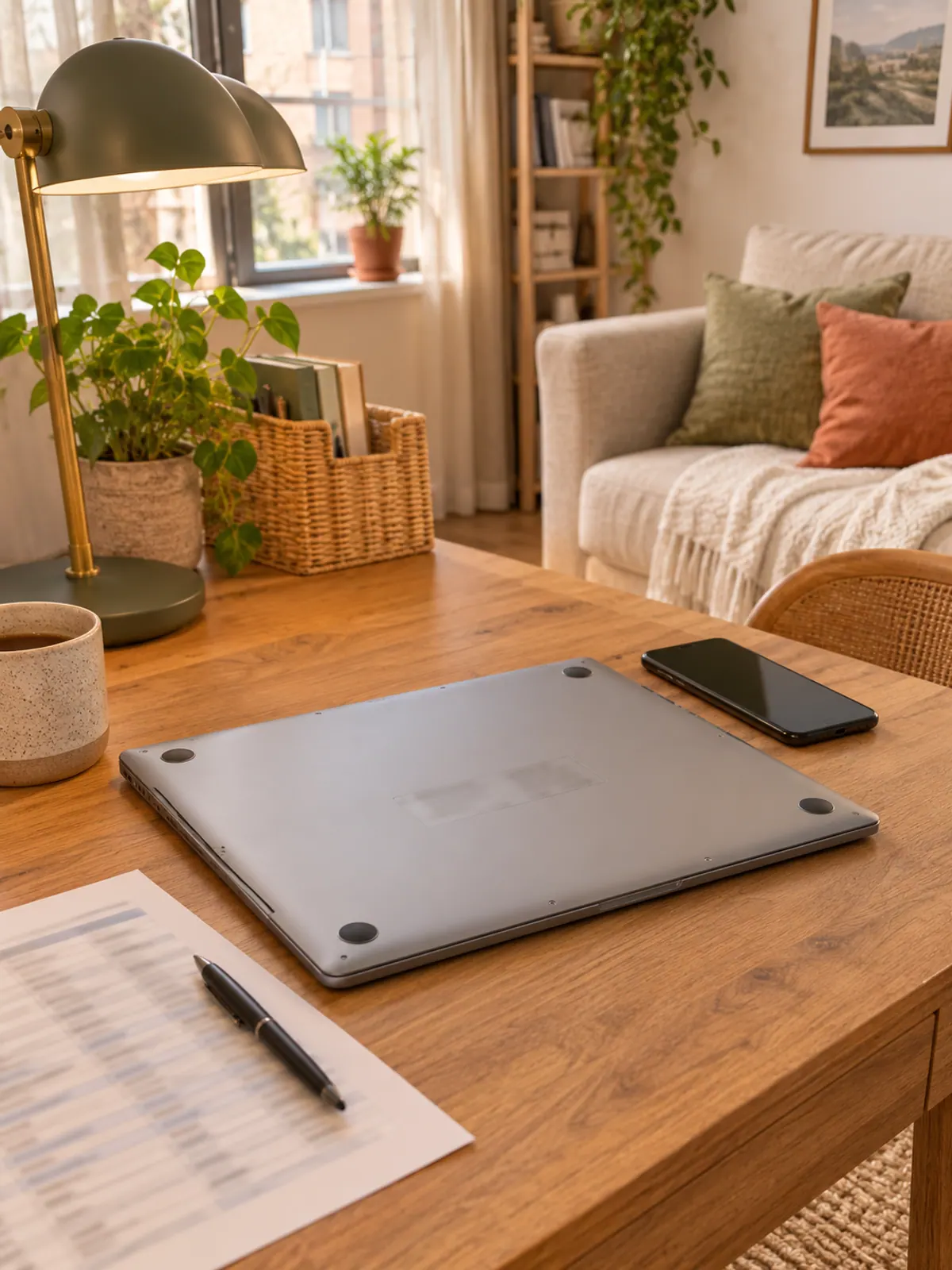
| Serial number | From the label or the settings screen, if the item has one | Laptop: copy it from the label on the underside |
| Bought | Month and year, and where | Mar 2024, online order |
| Value | What it would cost to replace today, as your best guess | $450 |
| Photo | Tick the box once the photo or video is saved | ✔ |
Receipts are a bonus, not a requirement. For big purchases, photograph the receipt or forward the order email into the same folder as the photos.
A room-by-room home inventory checklist
Work one room at a time and start each with the items that cost the most to replace. Group the small stuff so the list stays short. The times below are our own estimates for a one-bedroom apartment, so change them for your place.
| Room | List first | Group together | Minutes |
|---|---|---|---|
| Living room | TV, sofa, speakers, game console, rug, lamps | Books, DVDs, decor | 30 |
| Bedroom | Bed and mattress, dresser, nightstands, TV | Clothes by drawer, shoes, linens | 30 |
| Kitchen | Appliances, cookware sets, small electronics | Utensils, dishes, pantry food | 30 |
| Bathroom | Hair tools, scale, shelving | Towels, toiletries | 10 |
| Closets and entry | Vacuum, bike, luggage, tools | Coats, bags, cleaning supplies | 15 |
| Electronics and valuables | Laptop, tablet, phone, camera, jewelry, watches | Cables and chargers | 20 |
| Total | 135 |
That adds up to 135 minutes, which is about an afternoon. If that sounds like too much, do two rooms today and the rest next weekend. A half-finished list is far better than none.

The phone method: photograph first, write second
State Farm suggests a video walk-through or a series of photos with written descriptions as a visual record. Do the photos before the writing, because it is faster and you will not skip a drawer.
-
Step 1: Walk each room with your phone
Record a slow video of the whole room, then take close photos of the most expensive items.
-
Step 2: Open everything
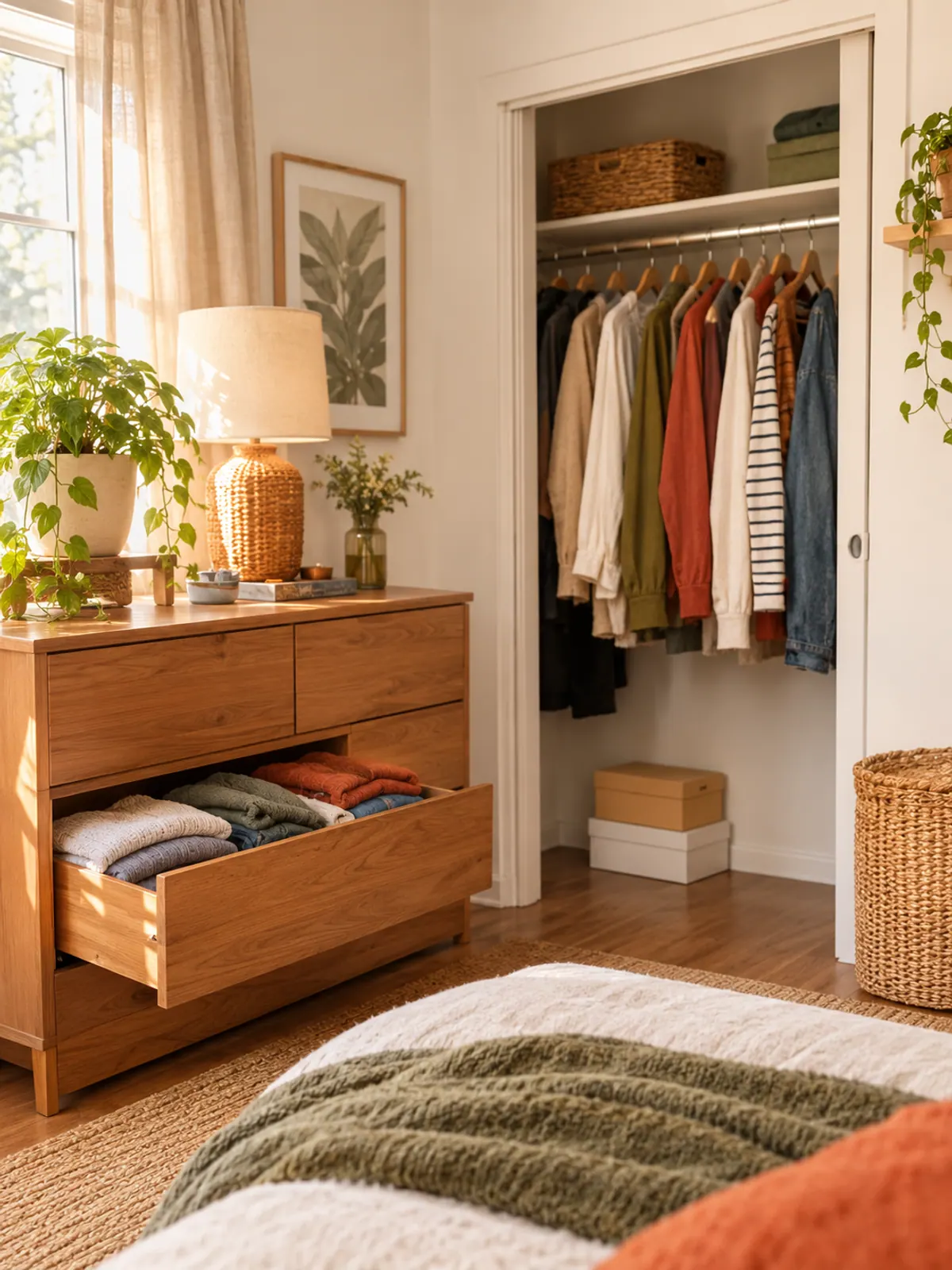
Open dresser drawers, closet doors and cabinets and take a photo of each. Clothes, shoes and kitchen gear add up fast.
-
Step 3: Photograph the labels
Take a close photo of the serial number or model label on each electronic item, such as the underside of a laptop or the back of a TV.
-
Step 4: Fill in the room sheet
Write the five fields from your photos, starting with the priciest items, and tick the photo box.
-
Step 5: Back it up
Save the photos to cloud storage and keep the printed pages with your lease paperwork.

Valuables, limits and what to ask your insurer
The NAIC says that if you own antiques, art, jewelry or electronics, you should check the limits of a basic renters policy, because typical policies have limits on those kinds of belongings. That is why page 3 of the printable has a list of items to write down one by one: laptops, jewelry, instruments, bikes and anything with a receipt.
Questions to ask your insurer (write the answers on page 3)
Where to keep your inventory
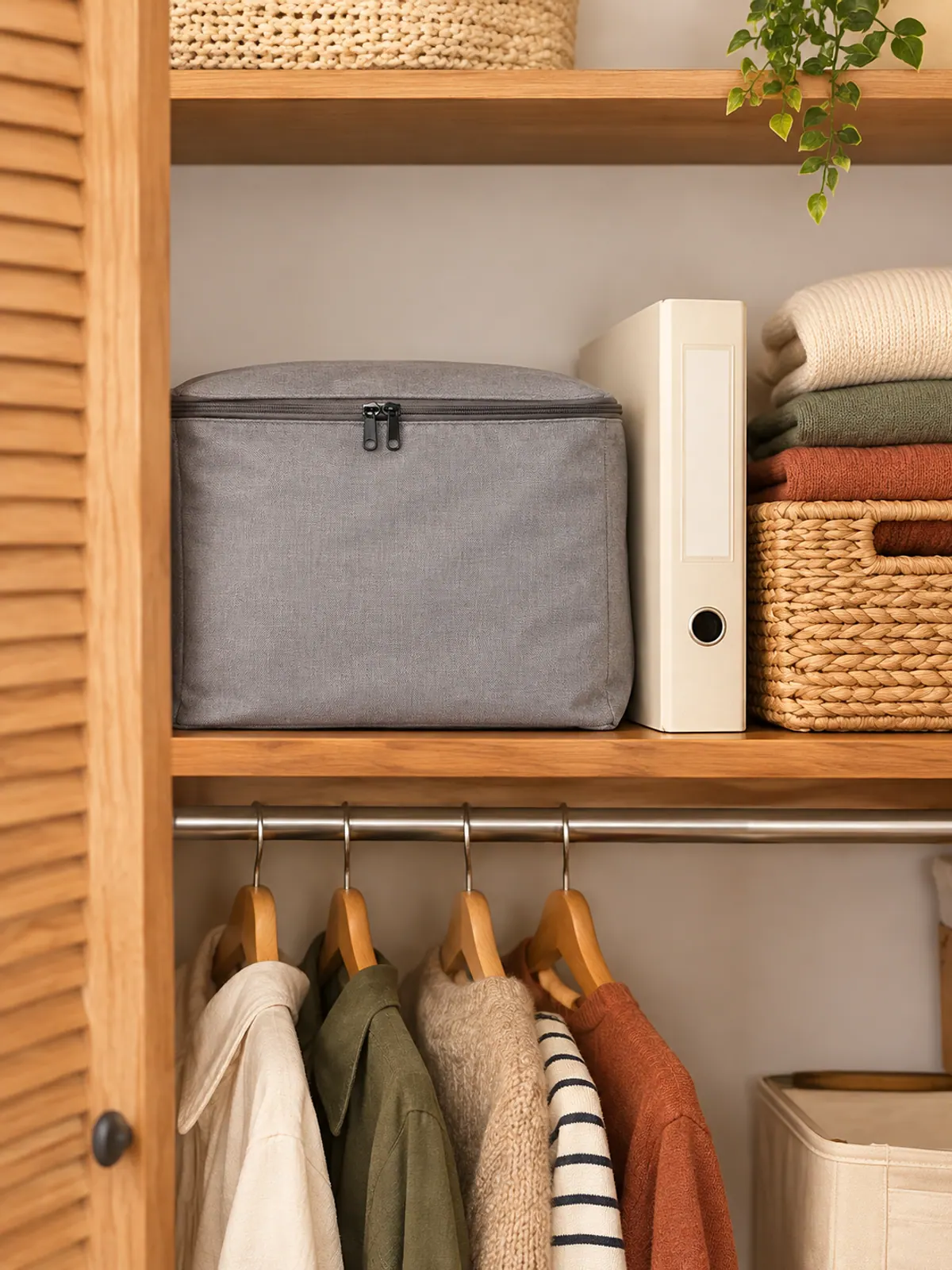
Keep a copy somewhere other than your apartment. State Farm suggests a fireproof safe, a safety deposit box or cloud storage, and the NAIC suggests emailing the information to family, friends or your insurance agent. A fireproof document bag for the printed pages is a cheap way to start.
Update it when you buy something big, and once a year. State Farm says annually or any time you move. Write the date on page 3 so you can see when you last did it.
Use the same photos at move-in and move-out
A rental inventory does double duty. The same walk-through photos show what you own and, if you take them on day one, the condition of the walls, floors and fixtures. For that side of renting, the Move Out Cleaning Checklist + Move-In Inspection Kit ($6) has a photo log and room-by-room walkthrough sheets.
If you are moving soon, our moving checklist for renters has a timeline, and the first apartment checklist covers what to buy before you have anything to list.
Supplies that make it easier
Prices are rough ranges and change. We have not tested these hands-on; see our disclosure.
Inventory helpers
-
Fireproof document bag
Typically $10 to $25
A place for the printed pages, the lease and key receipts.
Check price on Amazon for Fireproof document bag -
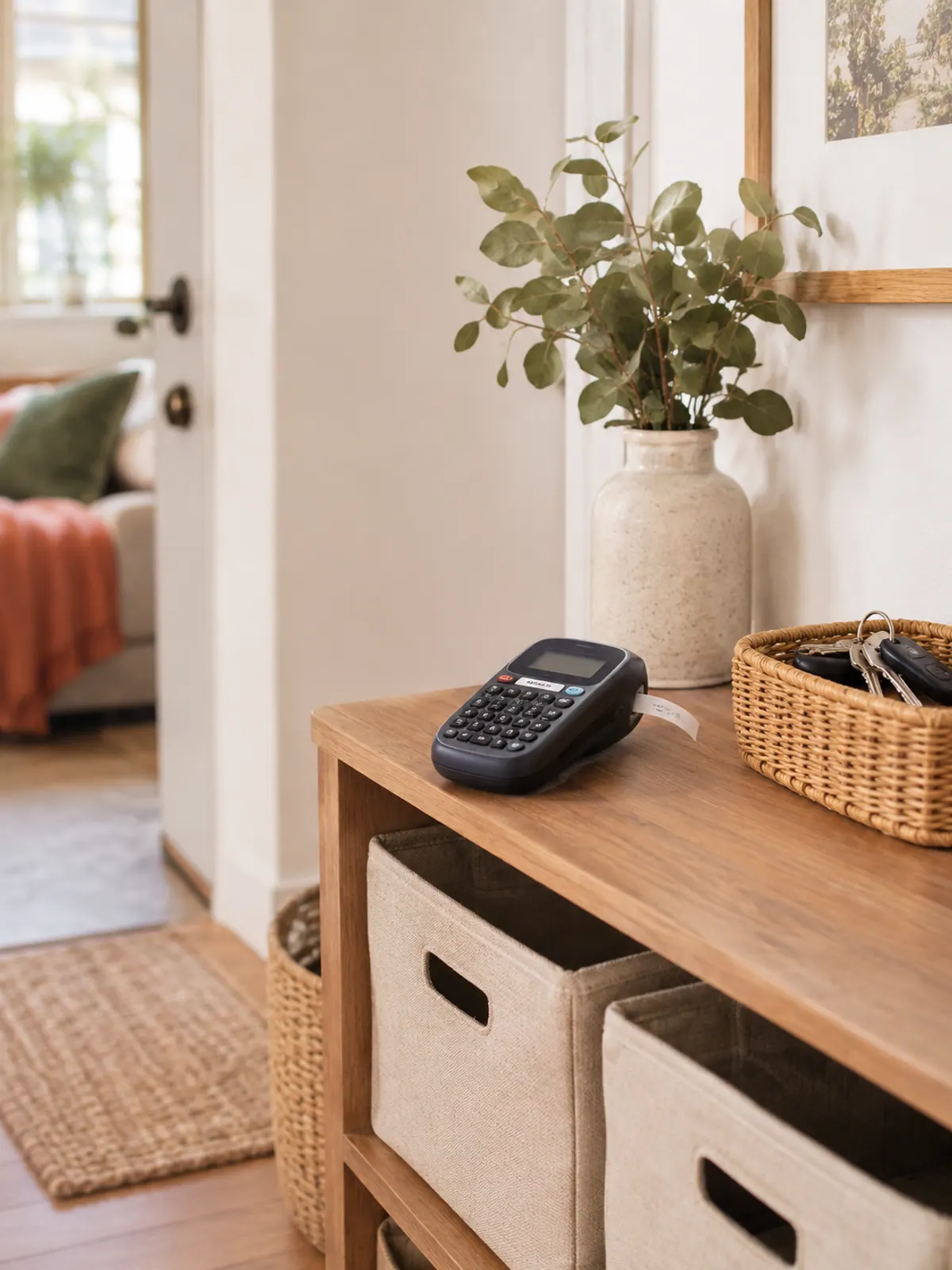
Handheld label maker
Typically $15 to $35
Label bins and a binder so the inventory is easy to find.
Check price on Amazon for Handheld label maker -
Three-ring binder with sheet protectors
Typically $8 to $20
Keeps the room sheets and receipts together.
Check price on Amazon for Three-ring binder with sheet protectors
Your next step
Print the free list and do one room today. When you want your inventory, rent log, repair requests and insurance summary in one place, the Renter's Home Binder ($10, 31 pages, US Letter, A4 and low-ink) has them together, including a claim-ready checklist and a claim log.
Frequently asked questions
How do I make a home inventory for renters insurance?
Go room by room, take photos or a video of everything including the insides of drawers and closets, then write the item, serial number, purchase details and value for each, starting with the most expensive things. Save a copy off-site. The free printable on this page has a sheet for each room.
What should a home inventory include?
The NAIC lists brand name, price, date of purchase, model, serial number and receipts, and says photos should accompany the list. Group low-value small items, such as utensils or books, rather than listing each one.
Do renters need a home inventory?
No one makes you keep one, but the NAIC says an inventory helps you decide how much personal property coverage you need and helps you file a claim. What your own policy covers varies, so ask your insurer.
Where should I store my home inventory?
Keep one copy at home, such as printed in a binder or fireproof bag, and one somewhere else: cloud storage, or emailed to a family member or your agent. State Farm lists a fireproof safe, a safety deposit box or the cloud.
How often should I update my home inventory?
After big purchases and gifts, whenever you move, and at least once a year. Write the date on page 3 of the printable.
Is the home inventory printable free?
Yes. The 3-page PDF is free with no sign-up. The paid Renter's Home Binder is a separate 31-page product that includes a room-by-room inventory, rent and repair logs and an insurance summary.
Save it for later
Pin this to your Organization board so it's there when you need it.
Save to Pinterest